Dark Web Store: Finding the Best Options
This guide is for users seeking reliable dark web stores and practical tips to ensure safe transactions.
- Posted:
- Last updated: October 8, 2026
- By: Logan Pierce
- 20 minutes
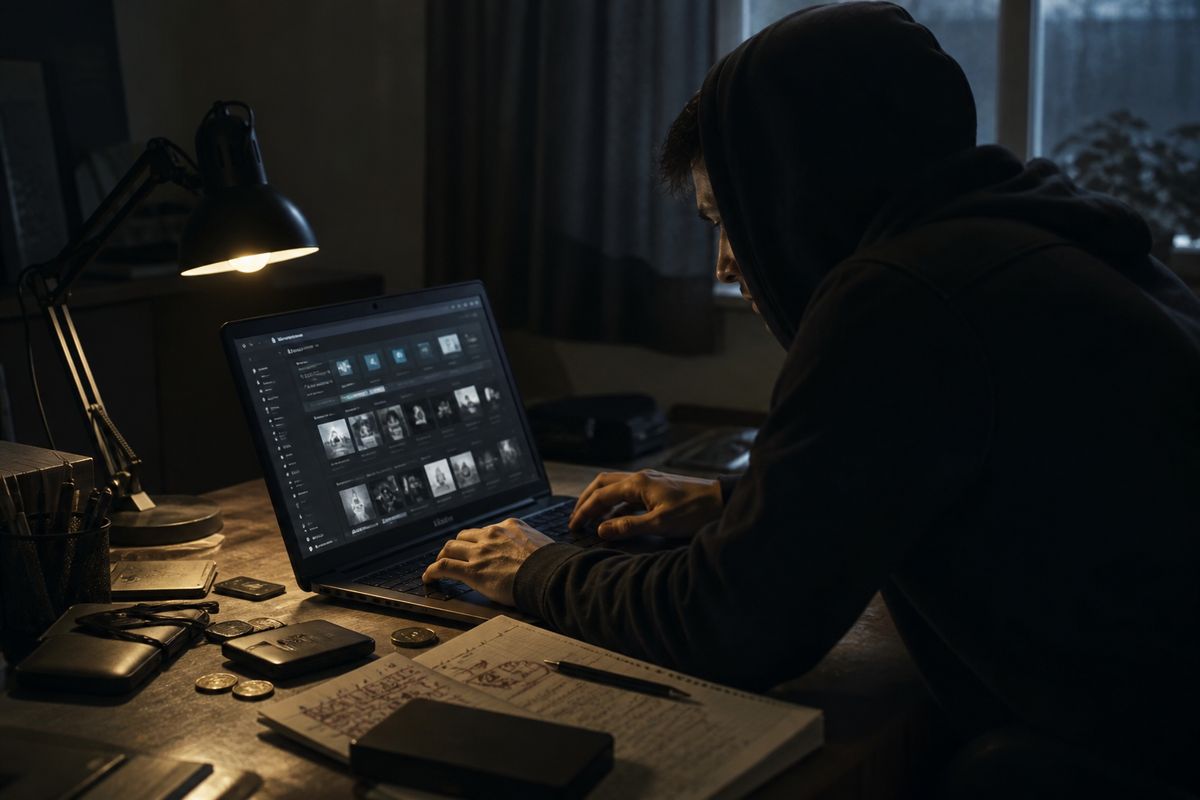
A dark web store is a marketplace operating on the Tor network where vendors sell goods and services using cryptocurrency, primarily Bitcoin and Monero. Darknet marketplaces generated over £1.3 billion in 2024, with Russian-language platforms accounting for 97% of bitcoin revenue1. To access these stores safely, you'll need:
- Tor Browser configured correctly to route all traffic through the network2
- Cryptocurrency wallet loaded with Bitcoin or Monero for anonymous payments
- PGP encryption to protect communications with vendors and verify market authenticity
What Is a Dark Web Store
A dark web store operates on the Tor network, distinct from traditional surface web e-commerce. While surface web sites use standard domains, dark web stores utilize .onion domains, accessible only through the Tor Browser. This anonymity is crucial for both buyers and sellers, as it helps protect their identities and activities from surveillance.
To access a dark web store, you must install the Tor Browser. It ensures that your internet traffic is routed through the Tor network, providing layers of encryption and anonymity2. However, proper configuration is vital to avoid exposing your real IP address. Relying on torrent applications while using Tor can lead to privacy breaches, as they may bypass the proxy settings2.
Dark web stores can be categorized into three main types: marketplaces, vendor shops, and forums.
Marketplaces
Marketplaces are platforms where multiple vendors sell various products. They typically implement escrow systems, allowing buyers to deposit funds securely until they confirm receipt of goods. This adds a layer of protection against scams, as funds are only released when both parties fulfill their obligations3.
Vendor Shops
Vendor shops are individual stores run by specific sellers. Here, you may find unique items or specialized services that may not be available in larger marketplaces. These shops often have their own rating systems, allowing buyers to assess the reliability of the vendor.
Forums
Forums are discussion boards where users share information, experiences, and resources related to dark web shopping. They can be valuable for gathering insights and advice but may not directly facilitate transactions.
Typical product categories in dark web stores include digital goods, hacking services, and privacy tools. While many items may be illicit, it’s essential to approach these markets with caution and prioritize safety. Always use secure payment methods like Bitcoin or Monero and enable two-factor authentication (2FA) wherever possible to enhance your security.
For more information on navigating these stores, check out our guide on Dark Web Shops: What You Need to Know.
How to Access Dark Web Stores Safely
Accessing dark web stores requires careful preparation to ensure your safety and privacy. Follow these steps to navigate securely.
Step 1: Downloading Tor Browser
Start by downloading the Tor Browser from the official Tor Project website. This browser allows you to access .onion domains, which are essential for visiting dark web stores. After downloading, install the browser by following the on-screen instructions.
Step 2: Verifying Installation
Once installed, verify that Tor Browser is functioning correctly. Open it and connect to the Tor network. Look for the onion icon in the top left corner, which indicates a successful connection.
Step 3: Configuring Security Settings
To enhance your security, configure the browser settings to 'Safest.' This option restricts certain functionalities that may compromise your anonymity. You can find this setting in the security settings menu within the Tor Browser.
Step 4: Using a VPN
Consider using a VPN (Virtual Private Network) for an additional layer of privacy. A VPN masks your IP address and encrypts your internet traffic. However, ensure that the VPN does not log your activity. The Tor Project generally advises against using a VPN with Tor unless you are experienced in configuring both to maintain privacy4.
Step 5: Operational Security Basics
Practice operational security (OPSEC) by avoiding the use of personal information while engaging with dark web stores. Do not use your real name, email, or any identifiable information. Always use a separate cryptocurrency wallet for transactions, specifically one that does not link back to your identity.
What to Avoid
Do not use regular browsers to access dark web stores. They do not provide the necessary anonymity and can expose your real IP address. Additionally, avoid torrent applications while using Tor, as they can bypass Tor's protections and reveal your identity2.
Following these steps will help you access dark web stores safely and minimize the risks associated with navigating this unique online environment.
Types of Dark Web Stores
Understanding the different types of dark web stores is crucial for safe navigation. Dark web marketplaces can be broadly categorized into three types: centralized marketplaces, individual vendor shops, and invite-only stores.
Centralized Marketplaces
Centralized marketplaces are platforms that host multiple vendors selling various products. They often utilize escrow systems to enhance buyer protection. In these systems, funds are held securely until the buyer confirms receipt of the goods. This model typically requires two of three signatures from the buyer, vendor, and market administrator to complete transactions, known as multisig3. Escrow periods can range from 7 to 21 days, depending on the product category and shipping requirements3.
Individual Vendor Shops
Individual vendor shops operate independently and are run by specific sellers. These shops may offer unique items or specialized services not found in larger marketplaces. Trust in these shops is often established through vendor ratings and reviews, which can help buyers gauge reliability. However, there is a higher risk of scams since the protection offered by escrow systems may not apply.
Invite-Only Stores
Invite-only stores require users to obtain an invitation to participate. This exclusivity can create a more controlled environment where vendors and buyers are pre-screened. However, it may limit the variety of products available and can make it more challenging for newcomers to find reputable vendors.
Escrow-Based vs. Finalize-Early Models
Most dark web marketplaces use escrow-based models, which provide a buffer for both buyers and sellers. In contrast, finalize-early models allow funds to be released to the vendor immediately after the transaction, increasing the risk of scams. Timer-based escrow systems typically have auto-finalize windows of 14 to 21 days, after which funds are released automatically if no disputes arise5.
Trust Mechanisms and User Experience
Trust mechanisms vary significantly between these types of stores. Centralized marketplaces often have robust rating systems and escrow protections, while individual vendor shops rely heavily on user feedback. Invite-only stores may offer a more curated experience but can create barriers for new users.
Understanding these differences helps in making informed decisions when navigating dark web stores. Always prioritize safety and verify the credibility of vendors before making purchases.
How to Identify Legitimate Dark Web Stores
Identifying legitimate dark web stores is crucial to avoid scams and ensure safe transactions. Here are effective verification methods and red flags to watch for.
Verification Methods
1. Check PGP Signatures:
Many legitimate vendors use PGP encryption to secure communications. Always verify the vendor's PGP signature before engaging in transactions. This ensures you are communicating with the actual vendor and not an impersonator.
2. Find Verified Mirror Links:
Legitimate dark web stores often have mirror links to ensure accessibility. Check forums or community discussions for verified links. This can help you avoid phishing attempts and fake sites.
3. Use Dark Web Directory Sites:
Directory sites can provide listings of verified dark web stores. These directories often include user reviews and ratings, making it easier to identify trustworthy vendors.
Red Flags of Scam Stores
1. No Escrow System:
Reputable dark web marketplaces typically implement escrow systems to protect buyers. If a store lacks this feature, be cautious. Escrow systems hold funds until the buyer confirms receipt of goods, reducing the risk of fraud3.
2. Poor Reviews:
Always check user reviews and ratings. If a store has numerous negative reviews or lacks user feedback, it may be a scam. Trustworthy stores usually have a solid reputation backed by positive experiences.
3. New Domains:
Be wary of stores operating on newly registered domains. Scammers often create new sites to avoid detection. Established stores usually have a history and consistent customer base.
Importance of Community Forums
Community forums play a vital role in reputation checking. Users often share their experiences and insights about various stores. Engaging in these discussions can provide valuable information about which vendors are reliable and which to avoid. Look for forums that focus on dark web shopping, as they often have dedicated sections for vendor feedback and warnings.
By utilizing these verification methods and being cautious of red flags, you can navigate dark web stores more safely and effectively. Always prioritize your security and do thorough research before making any purchases.
Security Features to Look For
Security Features to Look For
When navigating dark web stores, security features are essential for a safe experience. Here are the key features to look for:
PGP Encryption
Mandatory PGP (Pretty Good Privacy) encryption protects your communications with vendors. This feature ensures that your messages are secure and cannot be intercepted. Always verify the vendor's PGP key before sharing sensitive information to avoid impersonation scams.
Two-Factor Authentication (2FA)
Two-factor authentication adds an extra layer of security to your account. It requires not just a password but also a second form of verification, like a code sent to your phone. This helps prevent unauthorized access, especially if your password is compromised.
Multisig Escrow
Modern dark web markets often use multisignature escrow systems. These require signatures from both the buyer and the vendor, as well as the market administrator, to complete transactions. This process reduces the risk of exit scams, ensuring that funds are only released when both parties fulfill their obligations3. Escrow periods can range from 7 to 21 days, depending on the product category and shipping requirements3.
Dead Man's Switch
A dead man's switch automatically triggers actions if the vendor fails to respond within a specified timeframe. This feature protects buyers by ensuring that funds are returned if the vendor disappears or does not fulfill their part of the transaction.
Cryptocurrency Tumbling
Using cryptocurrency tumbling services can enhance your privacy. Tumbling mixes your coins with others, making it harder to trace transactions back to you. Many dark web users prefer Monero over Bitcoin due to its enhanced privacy features. In 2024, nearly half of new darknet marketplaces launched were Monero-only, reflecting this trend1.
These security features are vital for protecting your identity and funds while engaging with dark web stores. Always prioritize these elements to ensure a safer shopping experience.
Common Dark Web Store Scams and How to Avoid Them
Navigating dark web stores can be risky due to various scams. Knowing these scams and how to avoid them is crucial for safe transactions. Here are the most common scams and effective prevention tactics.
Exit Scams
An exit scam occurs when a marketplace suddenly closes, taking users' funds with it. In 2024, darknet markets generated over $1.7 billion, but many users lost money when these platforms disappeared without warning1. To avoid falling victim, always check a marketplace's reputation and user reviews before making significant purchases.
Phishing Links
Phishing links can lead to fake sites designed to steal your credentials. Often, these links appear legitimate but direct you to a malicious website. To protect yourself, bookmark verified URLs of marketplaces. This ensures you always access the correct site and reduces the risk of encountering phishing attempts.
Fake Vendor Accounts
Scammers often create fake vendor accounts to trick buyers into making purchases. These accounts may have convincing profiles but lack credible reviews. Before buying, check the vendor's history and ratings. Reliable vendors usually have consistent positive feedback and a significant transaction history.
Selective Scamming
Some vendors may engage in selective scamming, where they fulfill orders for some buyers while scamming others. To minimize risk, start with small orders when trying a new vendor. This approach allows you to test their reliability without risking substantial funds.
Prevention Tactics
- Bookmark Verified URLs: Always use bookmarks for reliable marketplaces to avoid phishing attacks.
- Check Vendor History: Evaluate vendor ratings and transaction histories to ensure trustworthiness.
- Start with Small Orders: When trying a new vendor, make small purchases first to assess their reliability.
- Never Finalize Early: Avoid using marketplaces that allow early finalization of transactions. This increases the risk of losing funds to scams. Most escrow systems hold funds for 14 to 21 days before finalizing the transaction, allowing time for dispute resolution5.
By understanding these common scams and implementing these prevention tactics, you can enhance your safety while navigating dark web stores. Always prioritize security and be vigilant in your transactions.
Finding Current Active Stores
Discovering active dark web stores requires using specific methods tailored to navigate the unique landscape of the dark web. Here are some effective strategies to help you find reliable marketplaces.
Dark Web Search Engines
Search engines like Ahmia and Torch are excellent tools for locating dark web stores. They index .onion domains, allowing you to search for products or vendors. However, results can vary, and not all indexed sites are trustworthy. Always verify the legitimacy of any store you find through these engines.
Directory Sites
Directory sites compile listings of active dark web marketplaces. They often include user ratings and feedback, which can help gauge a store's reliability. While these directories can be useful, be cautious as they may not always be up-to-date. Regularly check for the latest reviews and activity.
Reddit Communities
Reddit hosts various communities where users discuss dark web shopping experiences. Engaging with these communities can provide insights into active stores and vendor reliability. Users often share their experiences, warnings, and recommendations. However, be mindful of the information's accuracy and verify claims independently.
Dark Web Forums
Forums dedicated to the dark web can be valuable resources for discovering active stores. Members frequently share links, reviews, and tips on navigating the dark web safely. Look for threads discussing recent marketplace activity to find current and reliable options.
URL Changes and Verification
URLs on the dark web change frequently due to various reasons, including law enforcement actions and vendor decisions. This volatility makes it essential to verify any store's URL before making a purchase. Always use updated links from trusted sources or community recommendations.
Verification is critical to avoid scams. Before engaging with a store, check for:
- PGP Encryption: Ensure the vendor uses PGP for secure communication.
- User Reviews: Look for consistent positive feedback from other buyers.
- Established Domains: Prefer stores with longer histories over newly registered ones.
By employing these methods and prioritizing verification, you can enhance your chances of finding legitimate dark web stores. Always stay vigilant and conduct thorough research to protect yourself while navigating these marketplaces.
Operational Security Best Practices
Maintaining operational security (OPSEC) is crucial when navigating dark web marketplaces. Here are some best practices to help you protect your identity and activities.
Compartmentalized Identities
Create separate identities for your dark web activities. Use unique usernames, email addresses, and even payment methods that differ from your personal life. This separation helps prevent linking your activities back to your real identity, minimizing the risk of exposure.
Dedicated Devices
Using dedicated devices for dark web access can enhance your security. Consider using a separate computer or a live operating system like Tails OS. This approach limits the risk of malware or data leaks from your primary device. Always ensure that your device is configured correctly to use Tor Browser, as it only protects applications that are properly set up2.
Avoiding Pattern Recognition
Be mindful of your online behavior. Avoid creating patterns that could be recognized by observers. For instance, do not access dark web marketplaces at regular intervals or purchase the same items repeatedly. Vary your usage times and the types of products you buy to reduce the likelihood of drawing attention.
Proper PGP Key Management
PGP encryption is essential for secure communication with vendors. Always verify the vendor's PGP key before sharing sensitive information. Keep your keys secure and regularly update them to prevent unauthorized access. Mishandling PGP keys can lead to impersonation and compromise your anonymity.
Common OPSEC Mistakes
Several mistakes can compromise your anonymity on the dark web. For example, mixing personal and dark web activities can lead to exposure. Never use your real name, address, or personal email when engaging in dark web transactions. Avoid accessing dark web sites using personal devices or networks, which may expose your IP address.
Importance of Separation
Never mix your dark web and personal activities. Always use a VPN only if you are an advanced user who understands the implications, as improper use can compromise your privacy4. Additionally, maintain a strict separation between your online personas to prevent any leaks of personal information.
By following these OPSEC best practices, you can significantly enhance your security while navigating dark web marketplaces. Always prioritize your anonymity and be vigilant in your activities.
Store Reputation Systems Explained
How do vendor ratings work on dark web marketplaces? Understanding these systems is essential for safe transactions. Vendor ratings are typically based on buyer feedback and transaction history. Users can leave reviews after purchases, which contribute to the vendor's overall rating. Higher ratings often indicate reliability, while lower ratings may signal potential risks.
Feedback Systems
Feedback systems vary across marketplaces. Most use a star rating or numerical score, often ranging from 1 to 5. Some platforms also allow comments, providing context for ratings. For example, a vendor with a score of 4.8 from 500 transactions is generally considered trustworthy. However, it's crucial to analyze individual reviews. Look for patterns in feedback, such as repeated mentions of slow shipping or unresponsive vendors.
Dispute Resolution Processes
Dispute resolution is a critical aspect of vendor interactions. Many marketplaces implement escrow systems that hold funds until the buyer confirms receipt of the product. If issues arise, buyers can open disputes, prompting the marketplace to mediate. Typically, these processes last between 14 to 21 days, allowing time for resolution before funds are released to the vendor5. Understanding these timelines can help manage expectations during transactions.
Limitations of Reputation Systems
Reputation systems are not foolproof and can be manipulated. Vendors may create fake accounts to leave positive reviews for themselves. Alternatively, they could collude with others to inflate ratings. It's essential to remain vigilant and not solely rely on vendor ratings.
Cross-Referencing Sources
Cross-referencing multiple sources is vital for verifying vendor credibility. Check forums, community discussions, and directory sites for additional insights. Engaging with user reviews on different platforms can provide a more comprehensive picture of a vendor's reliability. Always remember that a well-rounded approach to evaluating vendors can significantly reduce the risk of scams and enhance your overall shopping experience on the dark web.
Dark Web Store Verification Checklist
- Verification Step
- Check PGP Signatures
- Details
- Verify vendor's PGP key
- Tools/Methods
- Use PGP software
- Notes
- Ensure key matches vendor's profile
- Verification Step
- Verify Mirror Links
- Details
- Access updated links from trusted sources
- Tools/Methods
- Community forums, directories
- Notes
- Links change frequently
- Verification Step
- Cross-Reference Forum Mentions
- Details
- Look for vendor discussions
- Tools/Methods
- Reddit, dark web forums
- Notes
- Check multiple sources for accuracy
- Verification Step
- Evaluate Escrow Types
- Details
- Identify escrow system used
- Tools/Methods
- Market documentation
- Notes
- Multisig or timer-based options
- Verification Step
- Assess Encryption Requirements
- Details
- Ensure HTTPS connections
- Tools/Methods
- Tor Browser settings
- Notes
- Use HTTPS-Only Mode
- Verification Step
- Confirm 2FA Methods
- Details
- Check if vendor offers 2FA
- Tools/Methods
- Vendor profile, reviews
- Notes
- Enhances account security
Common Mistakes and Misconceptions
Trusting VPN-over-Tor Without Understanding the Risks
Many newcomers believe adding a VPN to Tor automatically increases security. The Tor Project states they generally do not recommend using a VPN with Tor unless you're an advanced user who knows how to configure both without compromising privacy4. Improper configuration can actually create new vulnerabilities by introducing a trusted third party into your anonymity chain. If you lack technical expertise in routing and encryption, stick with Tor Browser alone and focus on proper OPSEC practices instead.
Assuming All Escrow Systems Provide Equal Protection
Not all escrow mechanisms offer the same security guarantees. Modern darknet markets typically implement multisignature cryptocurrency addresses requiring two of three signatures from buyer, vendor, and market administrator3. Timer-based systems hold funds for 7 to 21 days depending on product category and shipping requirements3. Understanding which model your marketplace uses determines your actual protection level. Multisig escrow prevents the market from unilaterally stealing funds, while simple timer-based systems leave you vulnerable if the platform disappears before auto-finalize completes.
Using Tor Browser for Torrent Downloads
Some users mistakenly believe Tor Browser protects all network activity on their device. Tor only protects applications properly configured to send traffic through its network2. Torrent applications have been observed ignoring proxy settings and making direct connections even when configured to use Tor, often sending your real IP address in tracker GET requests2. Never use torrenting software while connected to Tor, as this single mistake can completely compromise your anonymity and link your dark web activities to your physical location.
Reusing Personal Information Across Identities
Creating a dark web identity but reusing personal details is a critical error. Users often register with email addresses containing their real names, use familiar usernames from clearnet accounts, or mention identifying details in communications. This pattern recognition allows observers to link your dark web persona to your real identity. Always generate completely unique credentials for each marketplace, use temporary email services, and never reference personal circumstances that could narrow down your location or demographic profile.
Ignoring HTTPS-Only Mode Configuration
Some users disable HTTPS-Only Mode in Tor Browser thinking it improves compatibility with dark web sites. Tor Browser includes HTTPS-Only Mode to ensure connections remain encrypted whenever possible, preventing eavesdropping and man-in-the-middle attacks6. Disabling this protection exposes your communications to potential interception by malicious exit nodes or compromised marketplace operators. Keep HTTPS-Only Mode enabled and avoid marketplaces that don't support encrypted connections, as they represent unnecessary security risks.
Believing Vendor Ratings Are Always Authentic
High ratings don't guarantee legitimacy, as reputation systems can be manipulated through fake accounts and coordinated reviews. Vendors may build trust over months with small transactions before executing exit scams on larger orders. Cross-reference vendor mentions across multiple forums and community discussions rather than relying solely on marketplace ratings. Pay attention to review timing patterns—sudden clusters of positive feedback often indicate manipulation rather than genuine customer satisfaction.
Key Takeaways
- Always verify vendor PGP signatures and cross-reference mentions across multiple forums before making purchases—reputation scores alone can be manipulated through fake reviews.
- Use multisignature escrow systems rather than timer-based options, as they prevent marketplace administrators from unilaterally accessing your funds during disputes.
- Maintain strict separation between your personal and dark web identities by creating unique usernames, temporary email addresses, and dedicated devices for marketplace access.
- Keep HTTPS-Only Mode enabled in Tor Browser and never disable security features for convenience, as this exposes your communications to interception risks.
- Avoid common mistakes like using VPNs without advanced knowledge, torrenting over Tor, or reusing personal information that could link activities to your real identity.
Once you've mastered these verification techniques, explore Dark Web Marketplace: Your Shopping Guide to understand transaction workflows and payment methods in greater depth.
FAQ
How do I access dark web stores safely
Download Tor Browser from the official Tor Project website and verify the signature before installation to ensure you're using legitimate software. Enable HTTPS-Only Mode in Tor Browser settings to encrypt connections and prevent man-in-the-middle attacks6. Never use personal devices or networks for dark web access, and avoid mixing clearnet and dark web activities on the same session to maintain strict identity separation.
What is escrow on dark web
Escrow systems hold your cryptocurrency payment until you confirm receipt of the product, preventing vendors from taking funds without delivering. Modern darknet markets typically use multisignature addresses requiring two of three signatures from buyer, vendor, and market administrator to complete transactions3. Timer-based escrow holds funds for 7 to 21 days depending on product category and shipping requirements, with domestic orders having shorter release times than international shipments3.
Do I need VPN for dark web
The Tor Project generally does not recommend using a VPN with Tor unless you're an advanced user who knows how to configure both without compromising privacy4. Tor Browser alone provides sufficient anonymity for most users when combined with proper OPSEC practices. Adding a VPN without technical expertise can introduce new vulnerabilities by creating a trusted third party in your anonymity chain and potentially exposing your activities if misconfigured.
Cited sources
- Illicit drug sales grew and expanded outside of darknet marketplaces in 2024 - TRM Labs
- Tor Browser best practices - Security - Tor Browser
- How Darknet Market Escrow Systems Actually Function (Technical Breakdown)
- Tor Browser with VPN - General - Tor Browser
- How Darknet Escrow Works — and When It Fails - Dark Web Insight
- Secure connections - Features - Tor Browser
Handpicked links. A few related services may help with the next step. Tools & services