Dark Web Shops: What You Need to Know
A guide for curious individuals seeking insights into dark web marketplaces and safe buying practices.
- Posted:
- Last updated: October 8, 2026
- By: Logan Pierce
- 15 minutes
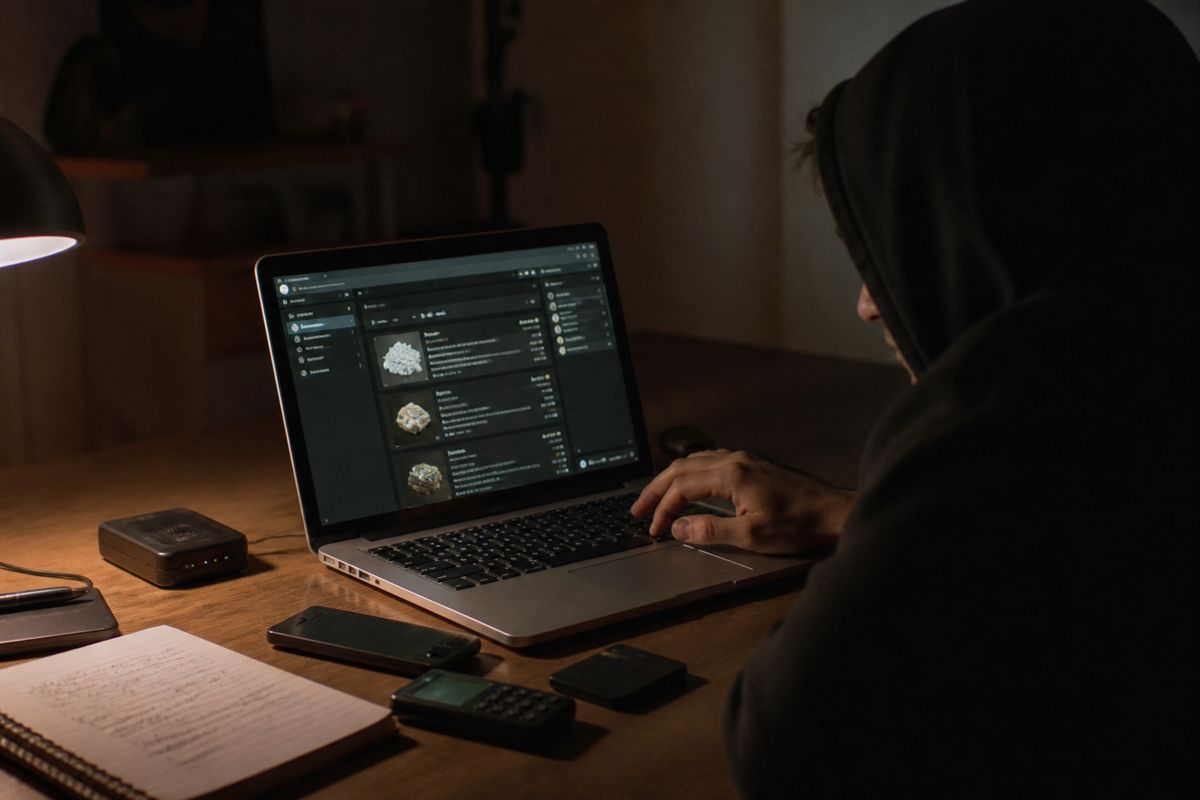
Most readers should focus on understanding the technical mechanics—escrow systems, cryptocurrency flows, and red-flag patterns—rather than attempting to access these platforms. Markets like Kraken handled $737 million in 20241, yet instability remains the norm: Abacus, Archetyp, and MGM-Grand all vanished in 2025 through seizures or exit scams23. For researchers or journalists documenting this ecosystem, prioritise safety protocols and legal boundaries; browsing via Tor is legal4, but transacting crosses into criminal territory in most jurisdictions5.
What to Look for When Evaluating Dark Web Shops
Vendor Reputation and History
Check how long the seller has operated and their feedback score across multiple platforms. Look for consistent positive reviews over months or years, not just recent activity—new accounts or sudden rating spikes often signal scams.
Escrow and Payment Protection
Verify the shop uses third-party escrow that holds funds until you confirm delivery. Avoid sellers demanding direct payment or 'finalize early' requests—legitimate vendors accept standard escrow terms without pressure.
Security Features and Encryption
Confirm the site enforces PGP encryption for messages and offers two-factor authentication for accounts. Test whether the platform runs on a stable .onion address and check forums for reports of past security breaches.
Dispute Resolution Process
Read the marketplace's policy on handling conflicts between buyers and sellers. Reliable shops provide clear steps for opening disputes, neutral moderators, and refund timelines—vague terms or no policy at all indicate high risk.
Product Verification Methods
Look for vendors who offer proof photos with timestamps or lab testing results for physical goods. Compare descriptions against known product standards and check if the seller answers specific technical questions—evasive responses suggest misrepresentation.
Community Warnings and Blacklists
Search dark web forums and Reddit communities for mentions of the shop or vendor name. Active users often share scam alerts, exit scam warnings, and verified alternatives—cross-reference multiple sources before trusting any single recommendation.
Dark Web Shops Comparison Table
- Criteria
- Definition
- What Are Dark Web Shops?
- Online platforms for illegal goods/services
- How Dark Web Marketplaces Work
- Facilitate transactions via escrow systems
- What's Sold on Dark Web Shops
- Drugs, stolen data, hacking tools
- Safety and Security Risks
- Legal risks, scams, law enforcement actions
- How to Stay Safe When Browsing Dark Web Shops
- Use Tor, verify URLs, check PGP keys
- Criteria
- Payment Flow
- What Are Dark Web Shops?
- Cryptocurrency transactions
- How Dark Web Marketplaces Work
- Escrow with multisignature addresses
- What's Sold on Dark Web Shops
- Direct payments to vendors
- Safety and Security Risks
- Funds can be seized by authorities
- How to Stay Safe When Browsing Dark Web Shops
- Avoid upfront payments, use escrow
- Criteria
- Buyer Protection
- What Are Dark Web Shops?
- Limited, often non-existent
- How Dark Web Marketplaces Work
- Escrow protects until delivery
- What's Sold on Dark Web Shops
- Depends on vendor reputation
- Safety and Security Risks
- High risk of fraud and scams
- How to Stay Safe When Browsing Dark Web Shops
- Research vendors, read reviews
- Criteria
- Product Types
- What Are Dark Web Shops?
- Varied, often illegal
- How Dark Web Marketplaces Work
- Diverse categories, including drugs
- What's Sold on Dark Web Shops
- Cannabis (26.5%), MDMA (8.4%)
- Safety and Security Risks
- Frequent scams and exit strategies
- How to Stay Safe When Browsing Dark Web Shops
- Check product listings, verify authenticity
- Criteria
- Risk Level
- What Are Dark Web Shops?
- High due to illegal nature
- How Dark Web Marketplaces Work
- Moderate to high, varies by market
- What's Sold on Dark Web Shops
- High due to law enforcement scrutiny
- Safety and Security Risks
- Potential for scams and loss of funds
- How to Stay Safe When Browsing Dark Web Shops
- Use VPN, avoid sharing personal info
- Criteria
- Typical Use Cases
- What Are Dark Web Shops?
- Purchasing illegal items
- How Dark Web Marketplaces Work
- Buying drugs, hacking services
- What's Sold on Dark Web Shops
- Researching illicit markets
- Safety and Security Risks
- Risk of arrest or scams
- How to Stay Safe When Browsing Dark Web Shops
- Follow safety checklists, verify vendors
What Are Dark Web Shops?
Dark web shops, also known as darknet markets (DNMs) or cryptomarkets, are anonymous trading platforms that operate on encrypted networks like Tor or I2P. These marketplaces facilitate transactions for a variety of goods and services, often illicit in nature. While the surface web relies on conventional payment methods and identifiable user accounts, dark web shops use cryptocurrency for transactions, enhancing user anonymity.
There are two primary types of dark web shops: escrow marketplaces and autoshops. Escrow marketplaces act as intermediaries, holding funds until both buyer and seller confirm the transaction's completion. This system helps mitigate fraud risks. In contrast, autoshops allow direct transactions between buyers and sellers without an escrow service, increasing the risk of scams. For instance, modern escrow systems typically require two of three signatures from the buyer, vendor, and market administrator to complete a transaction6.
Concrete examples highlight the differences between dark web shops and traditional e-commerce. A user may purchase illegal drugs on a darknet market, where product listings and vendor reputations are reviewed anonymously. In contrast, surface web e-commerce platforms like Amazon offer user identities, return policies, and customer service, which are absent or limited in dark web transactions. Furthermore, the anonymity of dark web shops leads to a higher prevalence of fraudulent activities, with reports indicating that well over half of dark web content is illegal5.
Understanding the structure and operation of dark web shops is essential for anyone considering engaging with these platforms.
How Dark Web Marketplaces Work
Dark web marketplaces operate on the Tor network, which anonymizes user activity through multiple encrypted relays. This setup makes it difficult to trace transactions, offering a layer of privacy for users4. To access these marketplaces, you will need the Tor browser, which is specifically designed for this purpose.
Payments on dark web shops are typically made using cryptocurrencies like Bitcoin and Monero. These digital currencies provide additional anonymity, as they do not require personal information for transactions. However, it's important to note that while using cryptocurrency is legal, purchasing illegal goods remains a criminal act in most jurisdictions5.
Most dark web marketplaces implement escrow systems to protect both buyers and sellers. Funds are held in a multisignature wallet, requiring two of three signatures from the buyer, seller, and marketplace administrator to complete a transaction6. This system helps to mitigate fraud risks by ensuring that funds are only released once both parties confirm the transaction's completion. Escrow release times can vary, typically ranging from 7 to 21 days depending on shipping requirements6.
When navigating a marketplace, the user journey usually begins with registration. After creating an account, you can browse listings and select items for purchase. Each vendor is rated based on user feedback, and these ratings help establish trust. Feedback systems often include scores and comments from previous buyers, allowing you to gauge a vendor's reliability. Some marketplaces even require vendors to post bonds to further ensure accountability.
Despite the protections offered by escrow and vendor ratings, dark web marketplaces can be risky. Many have shut down due to law enforcement actions or exit scams, highlighting the need for caution when engaging with these platforms3.
What's Sold on Dark Web Shops
Dark web shops offer a variety of products, primarily focused on illegal goods. The most common categories include stolen data, counterfeit documents, drugs, hacking tools, and fraud services. While not all offerings are illegal, such as privacy tools and books, the overwhelming majority of items for sale are associated with illicit activities.
Stolen data is a major commodity, including credit card information and personal identification. Counterfeit documents, such as fake IDs and passports, are also prevalent. Drugs dominate the market, with cannabis accounting for 26.5% of drug listings, followed by MDMA at 8.4%, benzodiazepines at 8.1%, and opioids (excluding heroin) at 7.6%7. In total, over 30,000 drug listings were recorded across various cryptomarkets in early 2024, indicating a stable level of demand7.
The market size for dark web shops is significant. In 2024, darknet markets received just over $2 billion in Bitcoin, while fraud shops accounted for $225 million1. A prominent example is Kraken DNM, which generated $737 million, marking a 68% increase year-over-year1. However, the landscape is unstable, with many markets disappearing due to law enforcement actions or exit scams3.
These platforms cater to individuals seeking anonymity for various reasons. While some users are interested in privacy tools or information, most transactions involve illegal goods. The risks associated with these purchases include potential legal consequences and scams. Understanding what is sold on these platforms can help you navigate the dark web more effectively.
Active Dark Web Marketplaces in 2025-2026
Several dark web marketplaces remain operational as of 2025-2026, each with unique characteristics and specializations. Here are some notable ones:
Abacus
Abacus Market specializes in drug sales and has recently experienced volatility, with reports of withdrawal issues indicating a potential exit scam in mid-2025. Daily deposits dropped significantly, which is often a red flag for users2.
STYX
This market focuses on a mix of drugs and fraud services. It has gained attention for its user-friendly interface but remains subject to the same risks as other platforms, with frequent reports of scams and shutdowns.
BriansClub
BriansClub is well-known for selling stolen credit card information. It has a reputation for reliability among fraud-related marketplaces, but users should be cautious due to the high risk of law enforcement actions.
Russian Market
Focusing primarily on Russian-speaking users, this marketplace offers a variety of goods, from drugs to counterfeit documents. Its unique demographic can make it appealing for certain buyers, but the language barrier may pose challenges for others.
BidenCash
Specializing in stolen financial data, BidenCash has gained notoriety for its extensive listings of compromised accounts. While it provides a niche service, the legal implications of engaging with such a market are significant.
WeTheNorth
This marketplace focuses on drug sales, offering a wide range of substances. Similar to others, it faces volatility and risks of closure, making it essential for users to stay informed about its status.
Torzon
Torzon is a general marketplace that sells both drugs and digital goods. Its broad selection can attract various buyers, but the lack of specialization may lead to inconsistencies in product quality.
BlackOps
BlackOps specializes in hacking services and tools, catering to a specific audience interested in cybercrime. The technical nature of its offerings requires users to have a certain level of expertise.
Exodus
This market focuses on a mix of drugs and stolen data, providing a diverse range of products. As with other dark web markets, users must navigate the risks associated with potential scams and law enforcement actions.
Market Volatility
Dark web marketplaces are notorious for their instability. Many have disappeared due to law enforcement interventions or suspected exit scams3. Users should remain vigilant and conduct thorough research before engaging with any marketplace.
Safety and Security Risks
Engaging with dark web shops carries significant safety and security risks. Key concerns include exit scams, law enforcement operations, malware, phishing attacks, and vendor scams. Exit scams occur when a marketplace suddenly shuts down, taking users' funds with it. For instance, Abacus Market went offline in July 2025, shortly after users reported withdrawal issues, indicating an impending exit scam2.
Law enforcement operations also pose a threat. Major takedowns have occurred, such as the seizure of Silk Road in 2013, which led to the arrest of its operator and the loss of millions in user funds. AlphaBay was shut down in 2017, resulting in the arrest of its founder. More recently, German authorities seized Nemesis Market in March 2024, confiscating $102,000 in cryptocurrency1.
Malware and phishing are prevalent risks. Users may encounter malicious software designed to steal personal information or funds. Phishing attacks may target users through fake marketplace notifications or emails, tricking them into revealing sensitive data.
Marketplaces often disappear due to a combination of technical issues, law enforcement actions, or exit scams. For example, Archetyp Market was seized in June 2025, highlighting ongoing instability in the market landscape2.
Tracking capabilities have improved, allowing authorities to trace cryptocurrency transactions back to users. In March 2024, the FBI linked Rui-Siang Lin to Incognito Market by tracing funds to his exchange account, leading to his arrest1.
Understanding these risks is essential for anyone considering transactions on dark web shops. Always conduct thorough research and remain vigilant.
How to Stay Safe When Browsing Dark Web Shops
Staying safe while exploring dark web shops requires careful planning and attention to detail. You can significantly reduce risks by following some practical operational security tips.
Use a VPN and Tor
Start by using a reliable VPN to encrypt your internet connection. This adds an extra layer of anonymity when accessing the Tor network, which is essential for browsing dark web shops. The Tor browser routes your traffic through multiple encrypted relays, making your activity harder to trace4.
Avoid Personal Information Disclosure
Never disclose personal information, such as your real name, address, or payment details, when creating accounts or making purchases. Anonymity is crucial.
Verify PGP Keys
When communicating with vendors, always verify their PGP keys. This ensures that messages are secure and authentic. Legitimate vendors will have their keys publicly listed on their profiles.
Use Cryptocurrency Safely
Cryptocurrencies like Bitcoin and Monero are commonly used for transactions in dark web shops. Ensure you understand how to use wallets and make anonymous transactions. Avoid using exchange accounts that can be traced back to you1.
Recognize Phishing Mirrors
Be cautious of phishing mirrors—fake versions of legitimate marketplaces designed to steal your information. Always double-check URLs and verify the legitimacy of websites before entering any personal data.
Verification Methods for URLs
To ensure you're visiting the correct marketplace, cross-reference URLs through trusted sources. Look for community discussions or forums that confirm the marketplace's authenticity before proceeding.
Common Mistakes to Avoid
Beginner users often make mistakes such as using their real email addresses, failing to use a VPN, or ignoring escrow systems. Always familiarize yourself with the marketplace's policies and user feedback before making any transactions.
Following these guidelines can help you navigate dark web shops more safely and reduce the risk of encountering scams or legal issues.
Red Flags and Scam Indicators
Identifying legitimate dark web marketplaces can be challenging. Certain warning signs can help distinguish them from scams.
Warning Signs
Unrealistic Prices: If a product is priced significantly lower than its market rate, it could be a scam. Scammers often lure buyers with deals that seem too good to be true.
Lack of Escrow Services: Legitimate marketplaces use escrow systems to hold funds until both parties confirm the transaction. If a vendor requests direct payment without an escrow option, consider it a red flag6.
New Vendors with No History: Be cautious when dealing with new vendors lacking reviews or transaction history. Established vendors typically have feedback from previous buyers, which can help gauge their reliability.
Poor Operational Security: If a marketplace lacks basic security measures, such as HTTPS encryption or two-factor authentication, it may not be trustworthy. Ensuring your data is protected is crucial.
Requests for Direct Payment: Be wary of vendors who ask for direct payments outside of the marketplace's system. This can indicate a scam, as it removes any buyer protections.
Verification Checklist
Before engaging with any marketplace or vendor, follow these verification steps:
- Check for user reviews and ratings.
- Confirm the presence of escrow services.
- Research the vendor’s history and transaction volume.
- Look for secure website features (e.g., HTTPS).
- Avoid vendors asking for direct payments.
By keeping an eye out for these indicators and following the checklist, you can better protect yourself from scams while navigating dark web shops.
Why Dark Web Shops Matter Beyond Criminal Activity
Dark web shops are often associated with illegal activities, but their implications extend beyond crime. The presence of these markets affects cybersecurity for both individuals and organizations. Stolen data from these platforms can lead to significant repercussions, including identity theft and data breaches.
Organizations monitor dark web shops to assess potential threats. By tracking stolen credentials and sensitive information, companies can better understand the risks they face. This intelligence helps them implement stronger security measures. For example, in 2024, darknet markets received over $2 billion in Bitcoin, indicating a substantial volume of illicit transactions1. This volume suggests a continuous flow of stolen personal data that could endanger numerous individuals.
The connection between dark web shops and data breaches is evident. When personal information is compromised, it often appears for sale on these platforms. For instance, reports indicate that fraud shops alone accounted for $225 million in Bitcoin transactions in 20241. This highlights the ongoing demand for stolen data and the potential for widespread identity theft.
While many users seek anonymity for illegal purchases, some individuals and organizations leverage insights from dark web activity for legitimate purposes. Law enforcement agencies and cybersecurity firms analyze trends within these markets to enhance their threat assessments and improve public safety.
Monitoring dark web shops can also reveal patterns of criminal behavior, allowing for proactive measures against cyber threats. Understanding the dynamics of these marketplaces is essential for anyone interested in cybersecurity or data protection.
Pros and Cons of Using Dark Web Marketplaces
- Pros
- Escrow systems on established marketplaces protect buyers by holding funds until both parties confirm the transaction, reducing the risk of direct payment scams.
- Cryptocurrency transactions provide a layer of financial anonymity that traditional payment methods cannot offer, making it harder to trace purchases back to individuals.
- Vendor rating systems and user reviews help buyers identify reliable sellers and avoid scams by providing feedback from previous transactions.
- The Tor network routes traffic through multiple encrypted relays, making browsing activity significantly harder to trace compared to regular internet use.
- Disadvantages
- Exit scams are common, with marketplaces like Abacus Market disappearing in July 2025 after users reported withdrawal issues, taking all deposited funds with them.
- Law enforcement operations have successfully seized major markets, such as Nemesis Market in March 2024, resulting in user arrests and confiscation of $102,000 in cryptocurrency.
- Improved tracking capabilities allow authorities to trace cryptocurrency transactions back to users, as demonstrated when the FBI arrested Rui-Siang Lin in March 2024 by following funds to his exchange account.
- Phishing mirrors and malware are prevalent, with fake marketplace versions designed to steal login credentials and personal information from unsuspecting users.
- Market volatility means platforms frequently disappear due to technical issues, law enforcement actions, or scams, leaving users with no recourse for lost funds or undelivered goods.
Who Should Use Which Type of Dark Web Shop
If You're Researching Cybersecurity Threats
Choose established marketplaces with active vendor communities and transparent escrow systems. These platforms provide the most reliable data on current trends in stolen credentials and fraud patterns. Organizations monitoring dark web activity benefit from observing high-volume markets that received over $2 billion in Bitcoin during 2024, as this reveals the scale of data breaches and identity theft risks1. Verify marketplace legitimacy through trusted community forums before accessing any platform.
If You're New to Dark Web Browsing
Avoid engaging with any marketplace until you've mastered operational security fundamentals. Start by learning how to use a VPN alongside the Tor browser, understand PGP key verification, and recognize phishing mirrors. Beginners often make critical mistakes like using real email addresses or skipping escrow protections, which increases exposure to scams and law enforcement tracking. Practice these security measures on non-transactional platforms before considering any marketplace interaction.
If You're Concerned About Financial Anonymity
Prioritize marketplaces that accept Monero over Bitcoin for transactions. Bitcoin transactions can be traced back to exchange accounts, as demonstrated when the FBI arrested Rui-Siang Lin in March 2024 by following funds to his registered account1. Monero offers stronger privacy features that make transaction tracking significantly more difficult. Always use cryptocurrency wallets that aren't linked to your real identity and never send funds directly to vendors outside the escrow system.
If You're Evaluating Vendor Reliability
Focus on marketplaces with comprehensive rating systems and detailed transaction histories. Look for vendors with established reputations spanning multiple months and consistent positive feedback from verified buyers. New vendors without transaction history pose higher risks, especially on platforms vulnerable to exit scams like Abacus Market, which disappeared in July 2025 after withdrawal issues emerged2. Cross-reference vendor information across trusted community discussions before initiating any transaction.
If You're Monitoring Legal and Security Developments
Track law enforcement seizure patterns and marketplace takedowns to understand current risks. German authorities seized Nemesis Market in March 2024, confiscating $102,000 in cryptocurrency, while Archetyp Market was seized in June 202512. These operations demonstrate that even established platforms face sudden closures, leaving users without recourse for lost funds. Staying informed about these developments helps you assess the stability of any marketplace before engagement.
Final Verdict: What to Choose
For cybersecurity research, stick to established marketplaces with transparent escrow systems and active vendor communities—these platforms offer reliable insights into current fraud patterns and data breach trends. If you're new to dark web browsing, avoid any marketplace until you've mastered operational security fundamentals like VPN usage, PGP verification, and phishing detection. Beginners who skip these steps expose themselves to scams and law enforcement tracking. For financial anonymity, prioritize Monero over Bitcoin, as Bitcoin transactions can be traced back to exchange accounts. When evaluating vendors, focus on platforms with comprehensive rating systems and established transaction histories spanning multiple months. Avoid new vendors without feedback, especially after exit scams like Abacus Market's July 2025 disappearance. If you're monitoring security developments, track law enforcement seizures—German authorities confiscated $102,000 from Nemesis Market in March 2024, demonstrating that even established platforms face sudden closures12. For broader context on marketplace dynamics, review our dark web marketplace guide to understand current trends and safety considerations.
Cited sources
- Darknet market and fraud shop BTC revenues decline - Chainalysis
- Abacus Market Conducts Likely Exit Scam Amid Increasingly Unstable Western Darknet Marketplace Landscape - TRM Labs
- The State of Darknet Marketplaces in 2025: Overview - DarkOwl, LLC
- Is It Illegal to Access the Dark Web? 2026 Guide
- How to access the dark web safely - ExpressVPN Blog
- How Darknet Market Escrow Systems Actually Function (Technical Breakdown)
- Trends in the availability and types of drugs sold on the internet via cryptomarkets, February 2024 - January 2025
Handpicked links. A few related services may help with the next step. Tools & services