Darknet Market Mirror Link: Accessing Safely
This guide is for darknet users seeking secure access to market mirror links and operational security tips.
- Posted:
- Last updated: October 8, 2026
- By: Logan Pierce
- 17 minutes

Recommended Tor Services

BBC News
BBC News provides a Tor mirror for delivering news to users in censored regions, ensuring access to independent reporting.

Professor Mariarti
Professor Mariarti — Explore a Telegram channel for safer darknet service recommendations.
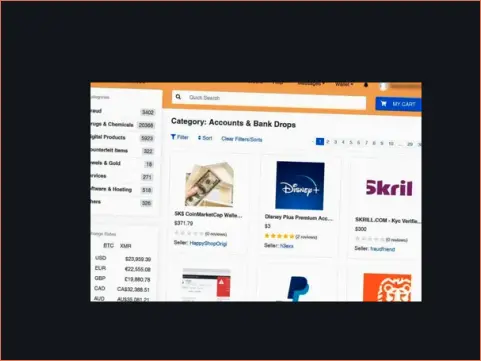
Tor2Door Market
Tor2Door Market emphasizes privacy with a user-friendly design, allowing purchases using Bitcoin and Monero.
Onion addressytjm2aoy6o65si4xs3ltqs5jbkzyefvzlyzi4u3srqlljlcdhd6bojqd.onion
Ahmia
Ahmia serves as a popular search engine for .onion sites, helping newcomers explore the Tor network.
LONELY ROAD
LONELY ROAD — Explore services and features of a notable dark web marketplace.
Nexus Market
Nexus Market features a variety of digital goods and incorporates escrow mechanisms for secure transactions.
Onion addressums7mctigzemj3thj7nihnbpdb4evkvwvdfd3obodu2iv2q3s522aiyd.onion
A darknet market mirror link is an alternative .onion address for the same marketplace, designed to provide redundancy if the primary URL goes offline1. Valid v3 onion addresses are exactly 56 characters long1, and you must verify each mirror through PGP signature checking before use:
What Are Darknet Market Mirror Links
Darknet market mirror links serve as backup .onion addresses for accessing the same marketplace. They ensure users can connect even if the primary address is down. Markets typically utilize multiple mirrors for various reasons, including DDoS protection, law enforcement takedowns, and server issues. This redundancy helps maintain operational stability.
Reasons for Multiple Mirrors
- DDoS Protection: Distributed Denial of Service (DDoS) attacks can incapacitate servers. Having multiple mirrors allows markets to redirect traffic and manage load effectively.
- Law Enforcement Takedowns: Authorities may target specific addresses. By rotating mirrors, markets minimize the risk of being shut down.
- Server Issues: Technical problems can arise. Mirrors provide alternative access points if a server malfunctions.
Official Mirrors vs. Phishing Clones
Not all mirror links are legitimate. It's crucial to distinguish between official mirrors and phishing clones. Research indicates that out of 11,533 analyzed onion domains, 5,922 (51.35%) were imitations or phishing clones of legitimate sites3. Phishing sites often use addresses that differ by only one or two characters from the real ones, making careful verification essential1.
To ensure you are using an official mirror:
- Check the Length: Valid v3 onion addresses are exactly 56 characters long1.
- Verify PGP Signatures: Always confirm the mirror's PGP signature against the market's public key2.
- Account Canary Phrase: After logging in, look for the unique canary phrase set during your account creation. If it's missing or incorrect, you may be on a phishing site1.
Being vigilant can help protect your identity and assets while navigating the darknet.
How to Verify Authentic Mirror Links
Verifying the authenticity of a mirror link is crucial for maintaining your security on the darknet. Using a legitimate mirror can protect you from phishing attempts and ensure safe transactions. Here’s how to confirm a mirror link is authentic.
PGP Signature Verification
Start by checking the PGP signature of the mirror link. Markets typically publish their PGP public keys on their login pages or Dread profiles. You can also access these keys by adding /pgp.txt to the end of a mirror address4.
To verify a PGP signature, follow these steps:
- Import the Market’s Public Key: Ensure you have the correct public key from a trusted source.
- Check the Signature: Use a PGP tool to verify the mirror link's signature against the public key. A valid PGP signature confirms that the message came from someone who holds the corresponding private key, proving authorship but not necessarily trustworthiness2.
- Compare Key Fingerprints: PGP key fingerprints are unique 40-character hexadecimal strings. Always compare this fingerprint with at least one other source to confirm authenticity2.
Trusted Sources
Rely on established forums and directories for mirror links. The Dread forum and verified directories are good starting points. These platforms often have community members who share and verify links, helping you avoid phishing clones.
Red Flags of Fake Mirrors
Stay vigilant for signs of fake mirrors:
- SSL Warnings: If you encounter SSL warnings, it’s a strong indicator that the site is not secure.
- Login Credential Requests on Clearnet: Legitimate markets will never request your credentials on clearnet. If a site asks for this, avoid it.
- Mismatched PGP Keys: If the PGP key does not match the one published by the market, do not proceed.
By following these guidelines, you can significantly reduce the risk of falling victim to phishing attacks while navigating darknet markets. Always prioritize your security and verify each link thoroughly before use.
Essential Security Setup Before Accessing Mirrors
Before accessing darknet market mirrors, you need a robust security setup. This minimizes risks and enhances your anonymity.
Tor Browser Configuration
Start by configuring the Tor Browser. Set the security level to 'Safer' or 'Safest'. The 'Safer' mode disables JavaScript on non-HTTPS sites, while 'Safest' turns off JavaScript entirely for all sites5. This is critical, as JavaScript can be exploited to reveal your IP address.
Disable any browser plugins. The Tor Browser blocks plugins like Flash and Quicktime to protect your identity6. Installing additional addons can compromise your anonymity, so avoid this practice6. Ensure HTTPS-Only Mode is enabled to enforce secure connections6.
VPN Considerations
Using a VPN can add an extra layer of security. Connect to your VPN before launching the Tor Browser. This setup masks your IP address before traffic enters the Tor network. Choose a reliable VPN that does not keep logs and has a good reputation in the privacy community.
Operating Systems for Enhanced Security
Consider using secure operating systems like Tails OS or Whonix. Tails is designed for anonymity and leaves no trace on the hardware you use. Whonix runs Tor in a virtualized environment, isolating your activities and enhancing security. Both options provide an additional layer of protection against potential threats.
Disabling Cookies and Other Tracking Mechanisms
Before accessing mirrors, disable cookies in the Tor Browser. Cookies can track your browsing activity across sessions, which is undesirable when navigating the darknet. Regularly clear your browser's cache and avoid logging into any accounts unless absolutely necessary.
By following these guidelines, you can significantly reduce your risk of exposure while accessing darknet market mirrors. Prioritize your security and always remain vigilant against potential threats.
Step-by-Step Process to Access Mirror Links Safely
Accessing darknet market mirror links safely requires careful steps. Follow this process to ensure your security.
Obtaining Verified .onion Address
Start by sourcing the mirror address from a trusted platform. Use established forums like Dread or verified directories. Always verify the address using PGP signatures. This ensures you are accessing a legitimate site rather than a phishing clone. Remember, 51.35% of analyzed onion domains were found to be imitations or phishing sites3.
Connecting Through Tor
Launch the Tor Browser. Ensure you have the latest version for optimal security. Before accessing the mirror link, set the security level to 'Safer' or 'Safest'. This disables JavaScript, which can be exploited5.
Checking Connection Security Indicators
After connecting to the mirror link, look for security indicators. Confirm the website uses HTTPS; the Tor Browser can enforce this with its HTTPS-Only Mode6. If you encounter SSL warnings, exit immediately. This is a sign the site is not secure.
Creating New Session Identity if Needed
If you suspect any issues with your connection, create a new Tor circuit. You can do this by clicking on the Tor icon and selecting ‘New Tor Circuit for This Site’. This helps maintain your anonymity and can refresh your session.
Avoiding Simultaneous Clearnet Browsing
Never browse the clearnet while connected to Tor. This can expose your real IP address. Ensure that you are solely using the Tor network for all your activities. Mixing the clearnet and Tor can lead to identity leaks, compromising your security.
By following these steps, you can access darknet market mirror links while minimizing risks. Always prioritize your safety and verify every piece of information before proceeding.
Common Mirror Access Errors and Solutions
Accessing darknet market mirrors can sometimes lead to frustrating errors. Understanding these issues and knowing how to address them is essential for a smooth experience.
Circuit Timeout Issues and Retry Strategies
One common problem is circuit timeouts. This occurs when the Tor network struggles to establish a connection. If you encounter this error, wait a few moments and then try refreshing the page or reconnecting to the mirror.
If the issue persists, consider creating a new Tor circuit. Click on the Tor icon in the browser and select ‘New Tor Circuit for This Site’. This can help bypass temporary network congestion.
'Onionsite Not Found' Errors
You may also face 'Onionsite Not Found' errors. This can happen if the marketplace is down or if you are using an incorrect link. To distinguish between these scenarios, double-check the mirror link against reliable sources. Remember, valid v3 onion addresses must be exactly 56 characters long1.
If the link is correct but the site is down, wait and try again later. Markets often experience downtime due to maintenance or server issues.
Captcha Loops and Cookie Problems
Captcha loops can be frustrating. These often occur if the site detects unusual traffic patterns or multiple login attempts. If you find yourself stuck in a captcha loop, clear your browser’s cookies and cache. This can reset any tracking mechanisms that might be causing the issue.
To clear cookies in Tor Browser, go to ‘Preferences’, then ‘Privacy & Security’, and select ‘Clear Data’. After doing this, restart the browser and try accessing the mirror again.
Connection Reset Troubleshooting
Connection resets can also impede your access. If you receive a reset message, check your internet connection first. Ensure that your VPN (if used) is functioning correctly. If the issue continues, try closing and reopening the Tor Browser.
Another method is to switch your internet connection. For instance, if you are on Wi-Fi, try using a wired connection or vice versa. This can sometimes resolve underlying network issues.
By understanding these common errors and their solutions, you can navigate darknet market mirrors more effectively and maintain your anonymity.
Operational Security Practices for Mirror Usage
Navigating darknet market mirrors requires strict operational security (OpSec) practices to protect your identity and assets. Here are essential guidelines to follow.
Password Management
Never reuse passwords across different mirrors. Each market operates independently, and reusing passwords increases the risk of account compromise. Create unique, complex passwords for each site. Consider using a password manager to securely store these credentials.
PGP Encryption for Communications
Utilize PGP encryption for all communications with vendors. This ensures that your messages remain private and secure. Always verify the market’s PGP public key, which can often be found on the login page or by appending /pgp.txt to the mirror address4. Confirm the PGP signature of any messages you receive to ensure they come from the intended source.
Avoiding Personal Information Disclosure
Be vigilant about disclosing personal information. Never share your real name, address, or any identifiers that could link you to your online activities. Use pseudonyms and disposable email addresses when registering on markets. This minimizes the risk of revealing your identity.
Clearing Tor Cache Between Sessions
Regularly clear your Tor cache and cookies. This action helps prevent tracking across sessions. In the Tor Browser, go to ‘Preferences’, then ‘Privacy & Security’, and select ‘Clear Data’. Clearing this data after each session reduces the likelihood of being tracked by malicious entities.
Recognizing Phishing Attempts
Stay alert for phishing attempts, especially through mirror clones. Research shows that over 51% of analyzed onion domains are imitations or phishing clones3. Verify the length of onion addresses; valid v3 addresses are exactly 56 characters long1. Additionally, watch for slight character differences in URLs, as phishing sites often use similar addresses to trick users1.
If you encounter a site that requests your credentials on the clearnet, avoid it at all costs. Legitimate markets will never ask for sensitive information outside their onion services. When logged in, check for the unique canary phrase you set during account creation. If it’s missing or incorrect, you may be on a phishing site1.
By implementing these operational security practices, you can significantly enhance your safety while accessing darknet market mirrors. Always prioritize your security and remain vigilant against potential threats.
Maintaining Updated Mirror Link Lists
Staying updated with mirror link lists is crucial for safe darknet navigation. The landscape of darknet markets is constantly changing. Markets frequently rotate their mirrors for security reasons. This means that old links can become obsolete quickly.
Bookmarking Practices
Use encrypted bookmark managers to save your mirror links. Regular browser bookmarks are not secure and can be compromised. Encrypted managers, like Bitwarden or KeePass, provide a secure way to store sensitive links. Avoid using plaintext notes or unencrypted services.
Subscribing to Verified Market Announcement Channels
Join verified announcement channels on platforms like Dread. These channels often post updates about mirror link changes. Reliable sources can provide immediate notifications when markets migrate to new addresses. Check these channels regularly to ensure you have the latest information.
Cross-Referencing Multiple Trusted Sources
Always cross-reference mirror links across multiple trusted sources. This practice helps identify potential phishing clones. Research indicates that 51.35% of analyzed onion domains are imitations or phishing sites3. Validate links by checking with at least two independent sources before accessing any market.
Recognizing When Markets Migrate
Markets may change their .onion addresses for various reasons, including security or operational updates. Keep an eye on community discussions regarding migration. If you notice a market has suddenly stopped responding, it may have moved. Check the latest announcements in your subscribed channels.
Valid v3 onion addresses are 56 characters long1. If you encounter a link that is shorter, it is likely invalid. Additionally, be cautious of slight variations in characters; phishing sites often use addresses that are similar to legitimate ones1.
By implementing these strategies, you can maintain an updated and secure list of mirror links, enhancing your safety while navigating darknet markets. Always stay informed and vigilant to avoid falling victim to phishing attempts.
Warning Signs of Compromised Mirrors
Recognizing the signs of compromised mirror links is vital for your security. Several indicators can help you identify potential phishing attempts or malicious sites.
Unexpected Login Behavior
If you notice unusual login prompts, it could indicate a phishing site. Legitimate markets will not request additional verification methods outside their standard procedures. Be cautious if you are asked for extra credentials or two-factor authentication (2FA) unexpectedly. This could be an attempt to harvest your credentials.
Layout Inconsistencies
Pay attention to the design of the mirror site. If the layout differs significantly from what you expect, it may not be genuine. Look for changes in color schemes, button placements, and navigation structures. A legitimate market will maintain consistent branding across its mirrors. If something feels off, it’s best to exit immediately.
Missing Vendor Listings or Altered Escrow Processes
A legitimate market should display all vendor listings clearly. If listings are missing or if the escrow process appears altered, treat this as a red flag. For instance, if you notice that escrow transactions are not being handled as usual, it may indicate that the site is compromised. Always verify escrow terms by cross-referencing with trusted sources.
Character Verification of .onion Addresses
Phishing sites often use addresses that differ by only one or two characters from the legitimate ones. Always verify the length of the .onion address; valid v3 addresses are 56 characters long1. If you encounter a shorter address, it is likely not a valid service. Check for slight character discrepancies in URLs, as these can be signs of phishing attempts1.
Unique Canary Phrase Absence
After logging into a legitimate darknet market, check for the unique canary phrase you set during account creation. If this phrase is missing or incorrect, you may be on a phishing site1. This phrase serves as a safety measure to ensure you are accessing the correct site.
By being aware of these warning signs, you can better protect yourself from compromised mirror links and enhance your overall security while navigating darknet markets. Always prioritize your safety and verify every detail before proceeding.
Darknet Market Mirror Access Verification Checklist
- Verification Step
- PGP Fingerprint Check
- Indicator
- 40-character hex string
- Expected Outcome
- Matches public key source
- Action if Failed
- Recheck source or report
- Verification Step
- Onion Address Length
- Indicator
- 56 characters
- Expected Outcome
- Valid v3 onion service
- Action if Failed
- Verify against trusted source
- Verification Step
- URL Pattern Check
- Indicator
- Exact match with known site
- Expected Outcome
- Access legitimate market
- Action if Failed
- Exit and verify link
- Verification Step
- Tor Circuit Behavior
- Indicator
- Stable connection
- Expected Outcome
- Access granted
- Action if Failed
- Refresh or create new circuit
- Verification Step
- Captcha Loop Resolution
- Indicator
- Cleared cookies
- Expected Outcome
- Access granted
- Action if Failed
- Clear cache and restart Tor
- Verification Step
- Connection Reset
- Indicator
- Stable internet connection
- Expected Outcome
- Access granted
- Action if Failed
- Switch connection type or restart Tor
Common Mistakes and Misconceptions
Trusting Mirror Links Without PGP Verification
Many users assume that a mirror link found on a forum or directory is automatically safe. This assumption is dangerous: over 51% of analyzed onion domains are imitations or phishing clones designed to steal credentials3. A valid PGP signature proves the message was created by someone holding the private key, confirming authorship2. Always verify the PGP fingerprint—a 40-character hexadecimal string—against at least one other trusted source2. Without this step, you cannot confirm you are accessing a legitimate mirror.
Assuming Shorter Onion Addresses Are Valid
Some users believe that shorter .onion addresses are simply older versions or alternative formats. This is incorrect. Tor onion v3 addresses must be exactly 56 characters long1. If an address is shorter, it is not a valid v3 service and should be avoided immediately. Phishing sites often use addresses that differ by only one or two characters from legitimate ones1, so character-by-character verification is essential before entering any credentials.
Installing Browser Extensions for 'Enhanced Security'
Users sometimes install VPN extensions, ad blockers, or privacy tools into Tor Browser, believing these will improve security. The Tor Project explicitly recommends against installing additional addons or plugins, as they may bypass Tor or harm your anonymity6. Tor Browser already includes HTTPS-Only Mode6 and blocks plugins like Flash that could reveal your IP address6. Adding extra extensions creates vulnerabilities rather than protection.
Ignoring Mirror Rotation as a Security Issue
When a saved mirror link stops working, some users panic and assume the market has been seized or shut down. Mirror rotation is actually a normal operational practice in the darknet ecosystem1. Markets change addresses periodically for security reasons, decommissioning old mirrors while bringing new ones online. Instead of assuming the worst, check verified announcement channels on platforms like Dread or cross-reference multiple trusted sources to find the current active mirrors.
Reusing Passwords Across Different Mirrors
Users often reuse the same password across multiple market mirrors, thinking these are simply different entry points to the same account. Each mirror operates as an independent Tor hidden service1, and credential compromise on one phishing clone can lead to account takeover on legitimate markets if passwords are reused. Create unique, complex passwords for each site and verify you are on a legitimate mirror by checking for your unique canary phrase after login1.
Disabling JavaScript Without Understanding the Trade-offs
Some users believe that leaving JavaScript enabled in Tor Browser is always unsafe and immediately set Security Level to 'Safest'. While the Tor Project recommends 'Safer' or 'Safest' settings for users requiring high security5, completely disabling JavaScript can break functionality on legitimate markets. The 'Safer' setting disables JavaScript only for non-HTTPS websites, providing a balance between security and usability. Understand what each level blocks before making changes, and remember that Tor encrypts traffic to and within the network, but final destination encryption depends on HTTPS support6.
Key Takeaways
- Always verify mirror links using PGP signatures and cross-reference at least two independent trusted sources before accessing any market.
- Valid v3 onion addresses must be exactly 56 characters long; shorter addresses or single-character differences indicate phishing attempts.
- Never install browser extensions or plugins into Tor Browser, as these bypass Tor's built-in protections and compromise your anonymity.
- Check for your unique canary phrase after login to confirm you are on a legitimate site, not a credential-harvesting clone.
- Mirror rotation is normal operational practice; when saved links fail, consult verified announcement channels rather than assuming the market has closed.
If you need guidance on selecting the right browser configuration for your threat model, review our Deepweb Browser: Choosing the Right One resource.